
2026 Wall Panel Sourcing: How Tariffs and Freight Costs Are Shaping Imports
For importers sourcing wall panels, cladding and decorative surfaces from China, 2026 has brought a familiar mix of tariff uncertainty and volatile freight rates. Understanding how these costs flow through your landed price is more important than ever. Here is what buyers should be tracking this year.
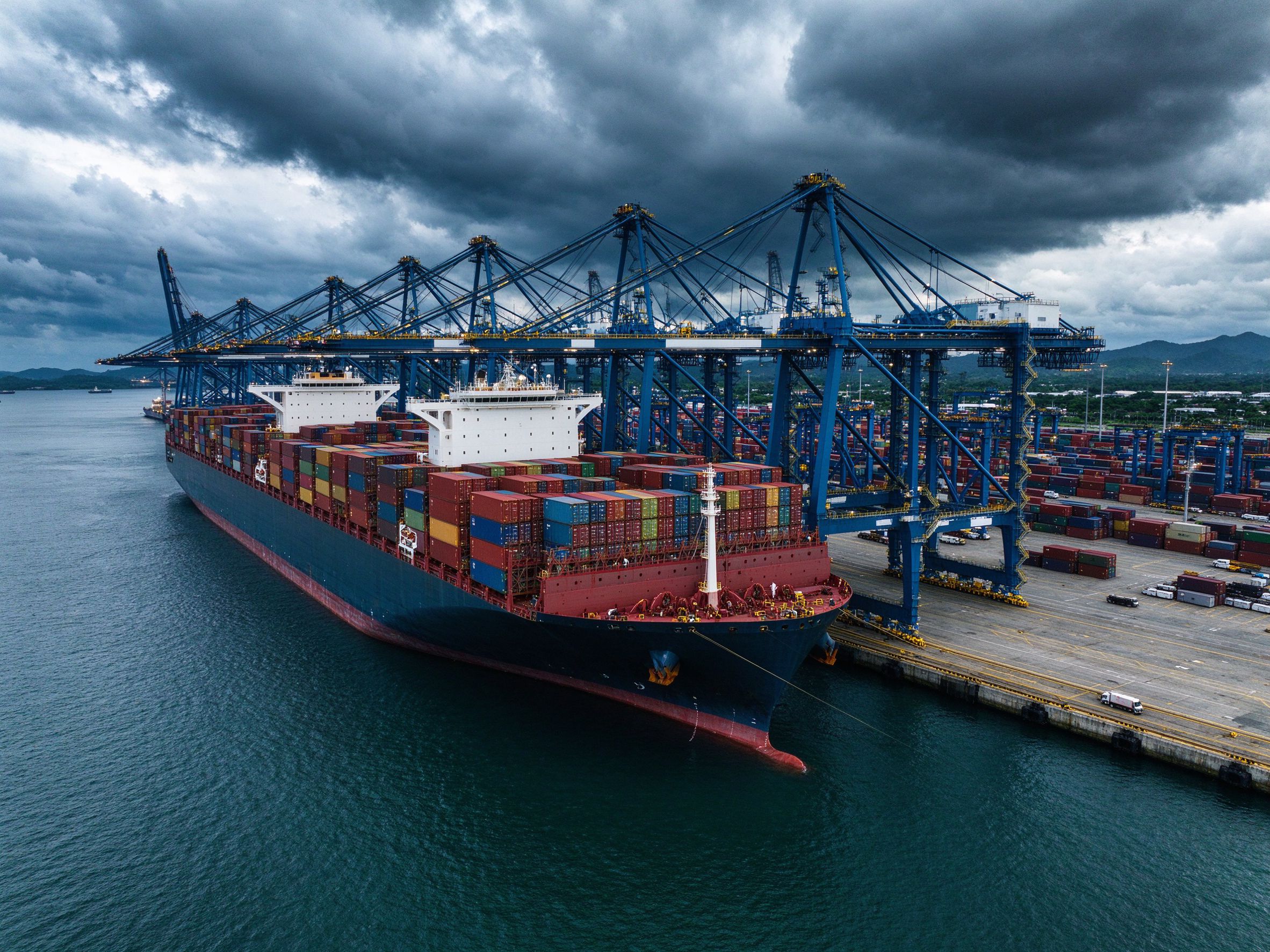
1. Tariff Landscape in 2026
Section 301 tariffs on Chinese building materials remain in place for many US importers, with rates varying by HS code. Wall panels (aluminum composite, PVC, SPC, flexible stone) generally fall in the 7.5–25% range depending on classification. European and UK buyers face anti-dumping duties on some ceramic and aluminum products, but most decorative wall panels enter under MFN rates. Always verify the current classification with your customs broker — a misclassified shipment can cost you thousands in penalties.
2. Freight Rates: The New Normal
After the 2021–2022 spike, container freight has stabilized but remains above pre-pandemic levels. Shanghai-to-LA rates fluctuate between $2,500 and $5,000 per 40HQ depending on season. Peak shipping months (July–October) see the highest rates. Lightweight panels like flexible stone and WPC are volumetric cargo — you pay by space, not weight — so freight per square meter is higher than dense products like tile.

3. How to Reduce Landed Cost
- Consolidate shipments: Mixing SKUs in one container reduces per-unit logistics cost.
- Negotiate FOB pricing: When freight is volatile, FOB terms let you book your own forwarder and lock rates.
- Plan around peak season: Ship in Q1 or Q4 when rates are softer.
- Request accurate HS codes: Your supplier should provide the correct classification and country of origin documentation.
- Factor in insurance: Marine insurance is 0.3–0.5% of cargo value — cheap protection against damage in transit.
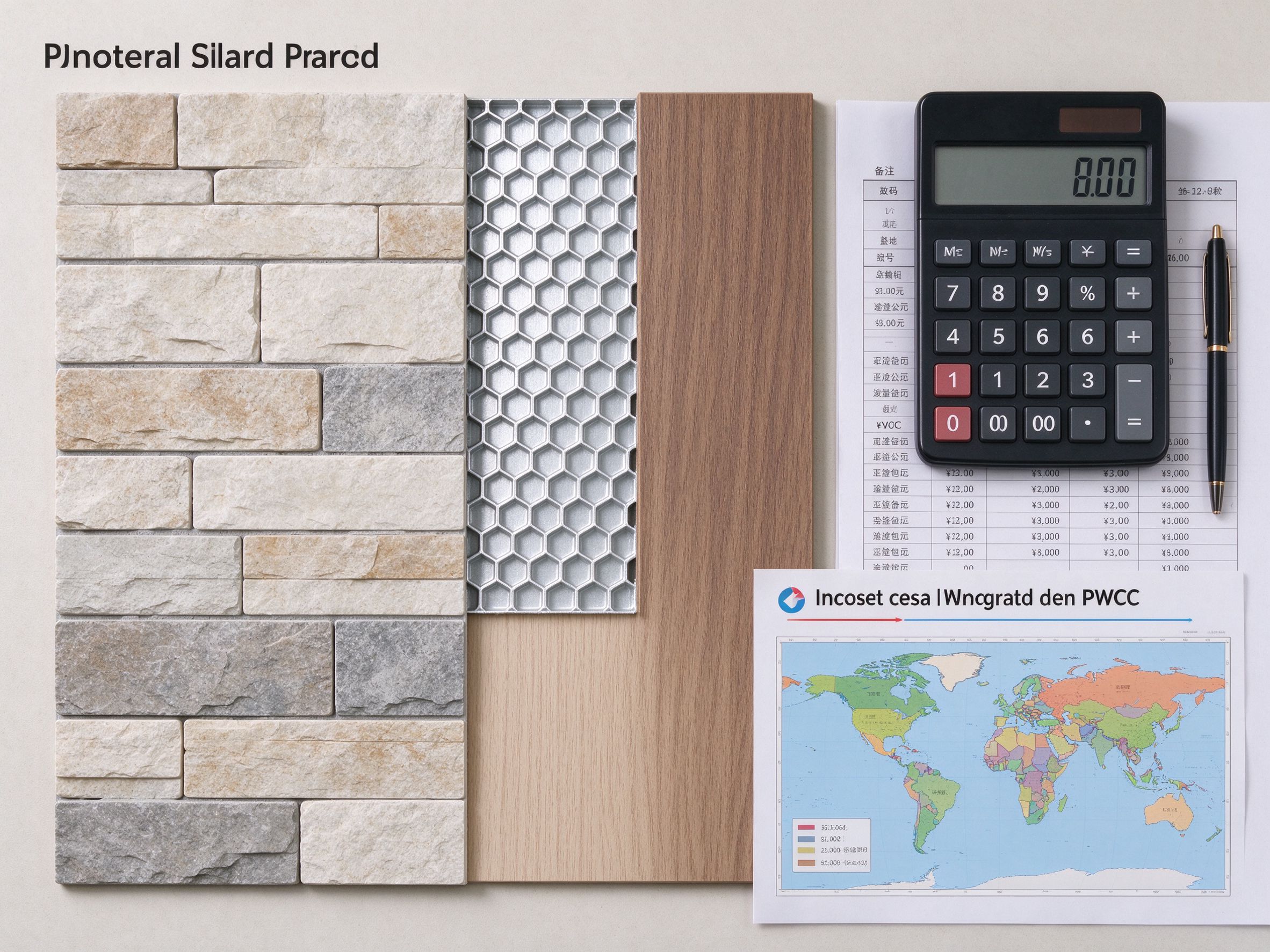
4. Supply Chain Diversification
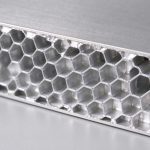
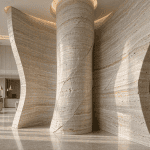
Some large buyers are exploring Vietnam, Indonesia and Malaysia as alternative sourcing bases. For specialized products like aluminum honeycomb panels, flexible stone veneer and high-gloss PVC marble sheets, China still offers unmatched quality control, factory capacity and finish variety. Diversification makes sense for commodity panels, but specialty cladding remains concentrated in China.
What This Means for Your Next Order
Before placing your next wall panel order, build a full landed-cost model: product price + freight + duty + clearance + insurance. Ask your supplier for a proforma invoice with HS code and pallet dimensions. For small or first-time orders, start with LCL (less-than-container-load) to test the market without committing to a full container.