
Choosing the right wall cladding decides how a space looks, how much it weighs, and how long it lasts. Two materials dominate spec sheets today: flexible stone veneer and ceramic tile. Both cover walls and both look great — but they behave very differently in weight, installation, curved surfaces, and total cost.
This guide compares them head-to-head so you can specify the right one for your next project.
What Is Flexible Stone Veneer?
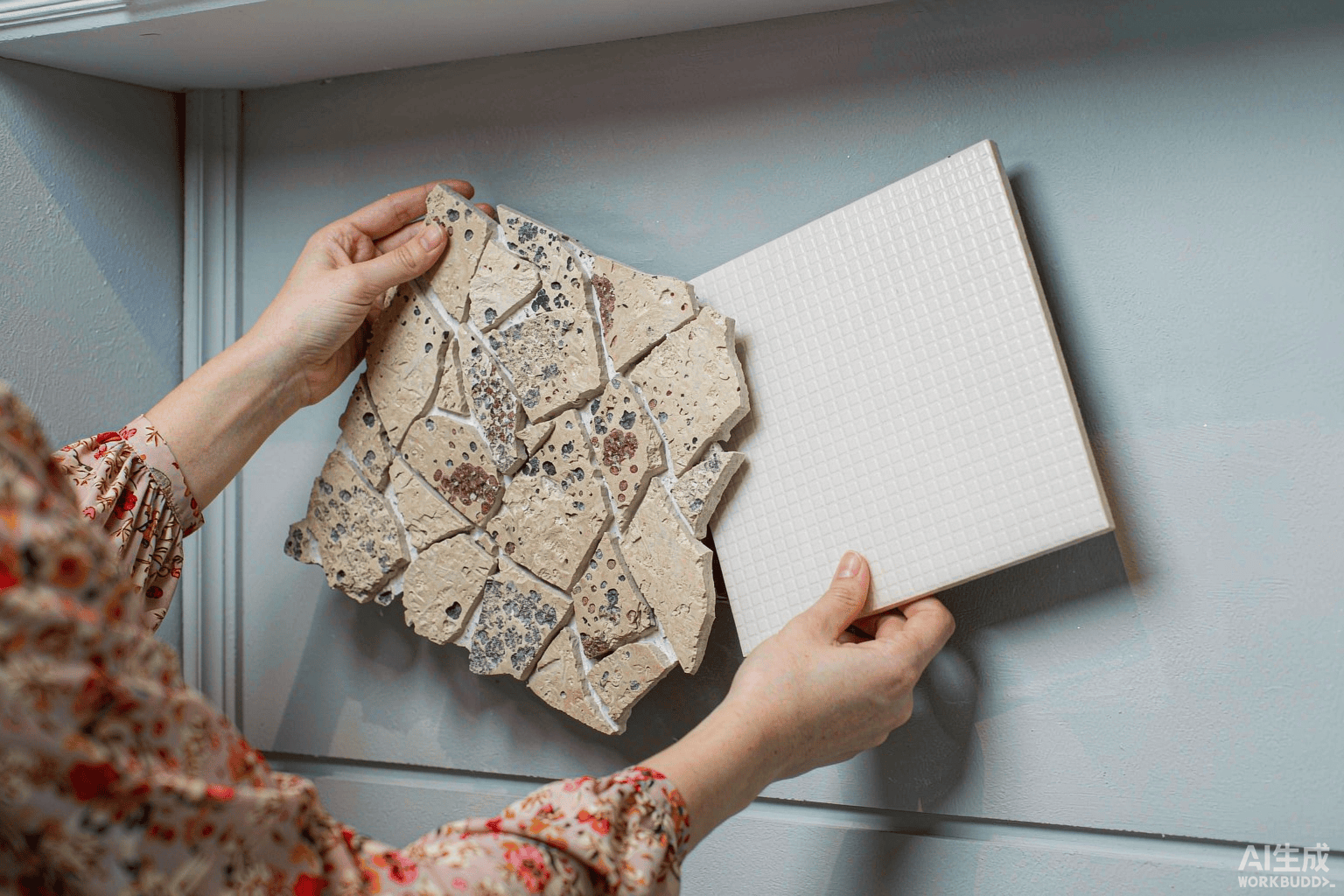
Flexible stone veneer — also called soft stone or thin stone — is a real slice of natural stone, typically just 1–3 mm thin, backed with a flexible fiberglass or resin layer. It bends around curves and columns, weighs a fraction of solid stone, and installs with standard tile adhesive.
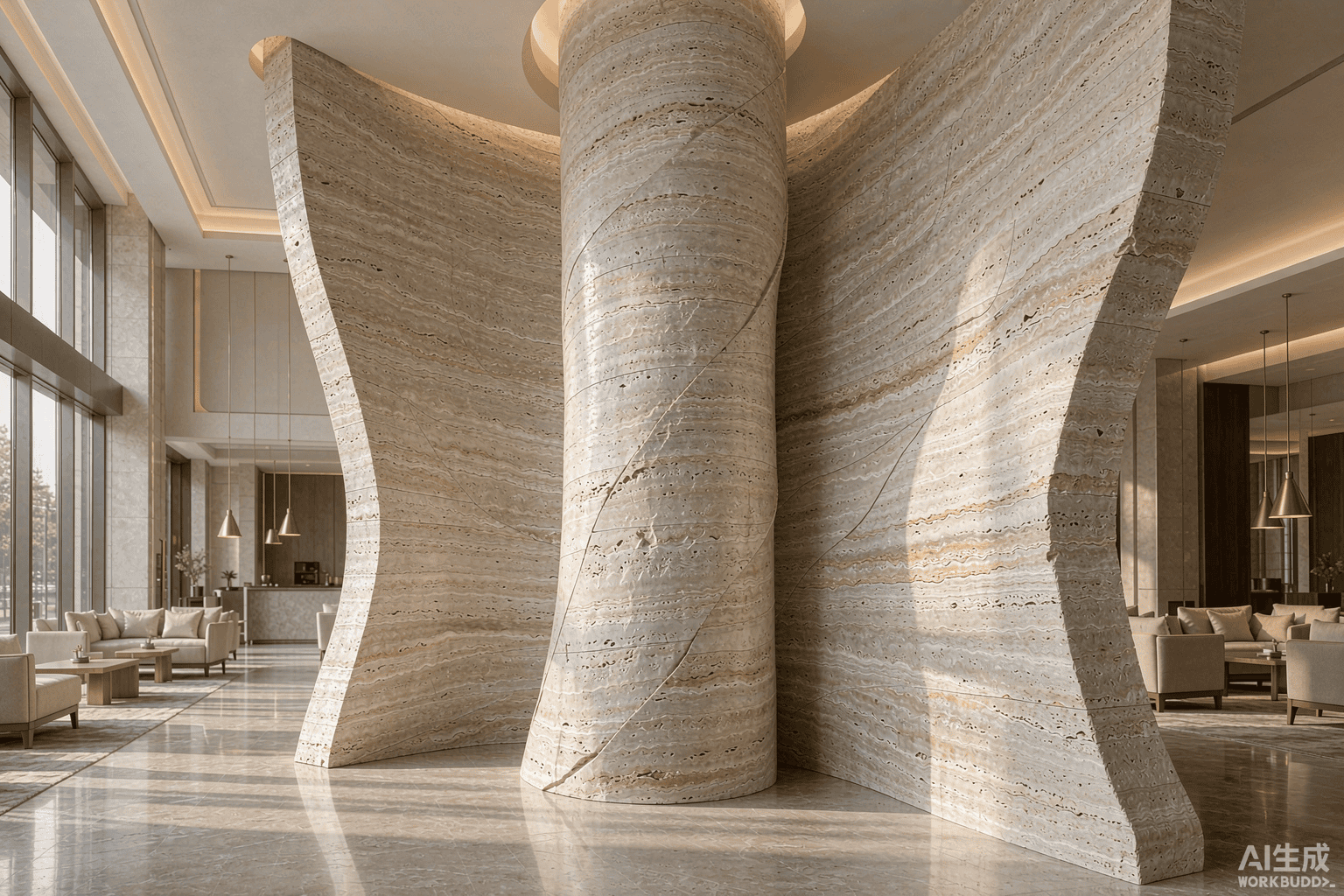
Because the stone layer is genuine, you get the full depth and veining of travertine, marble, or slate — without the weight and cost of a thick slab. It is the shortcut to a real-stone look on lightweight substrates.
What Is Ceramic Tile?
Ceramic and porcelain tile is fired clay formed into rigid panels. Porcelain is denser and less porous than standard ceramic, which is why it is the default for wet areas and exterior cladding. Tiles are rigid, heavy, and joined with grout.
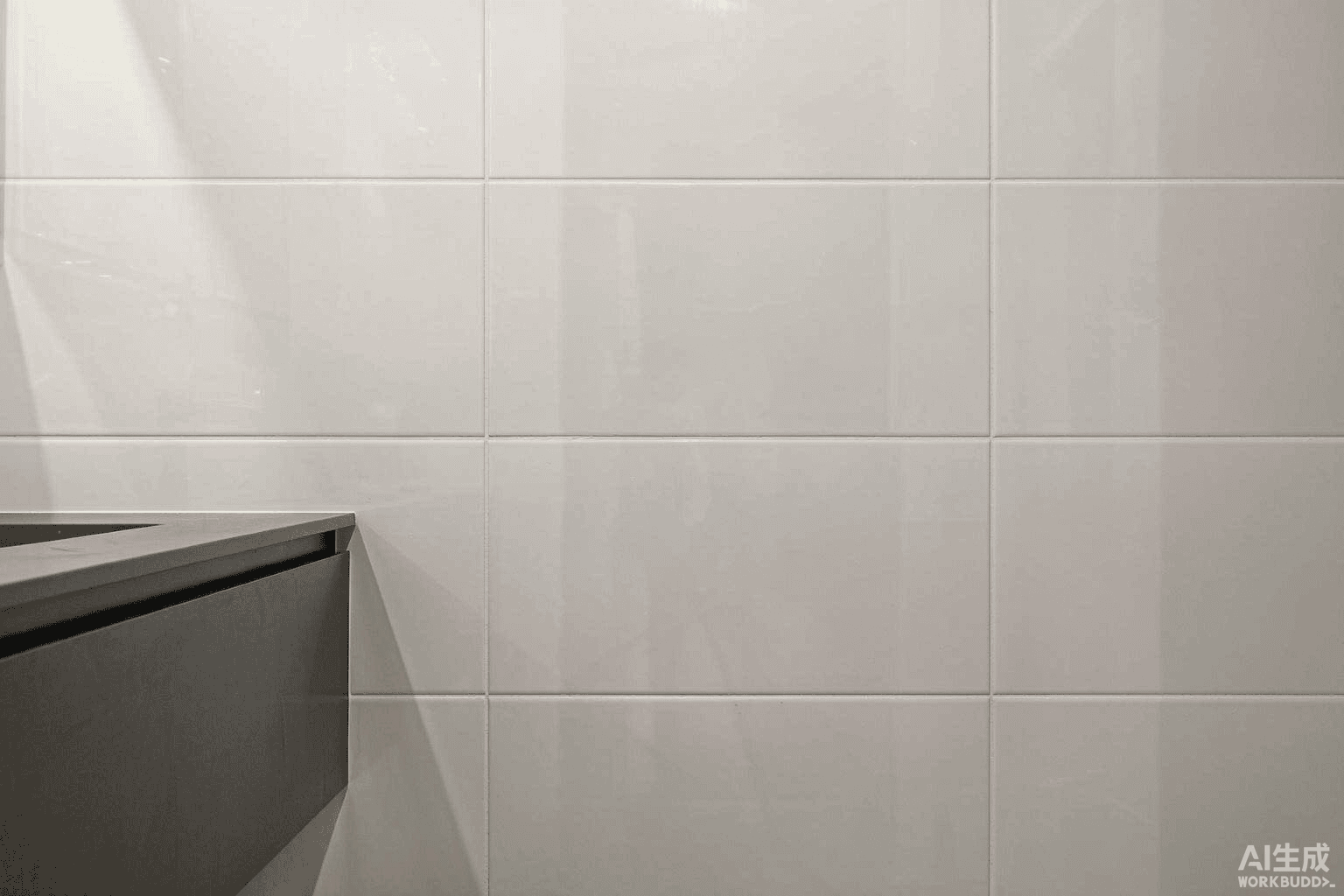
For floors and splashbacks, tile is hard to beat on scratch resistance and price. The trade-off is rigidity: every corner needs a mitre, and the substrate must be flat and load-bearing.
Flexible Stone vs Ceramic Tile: Head-to-Head
| Factor | Flexible Stone Veneer | Ceramic / Porcelain Tile |
|---|---|---|
| Thickness | 1–3 mm | 8–12 mm |
| Weight | ~1.5–3 kg/m² | ~18–23 kg/m² |
| Bends around curves? | Yes — wraps columns & radii | No — rigid, mitred corners only |
| Installation | Adhesive, like tile | Adhesive + grout |
| Best for | Feature walls, curves, renovation over old surfaces | Wet areas, floors, high-impact zones |
| Material cost | Mid–high | Low–mid |
Weight and Installation
Flexible stone is roughly 90% lighter than tile. On a renovation, that means you can often stick it directly over existing tile or plasterboard and skip demolition — saving days of labour and tonnes of skip waste. Ceramic tile needs a flat, rigid, load-bearing substrate, and every grout line adds time.
Durability and Maintenance
Both are waterproof once adhered. Ceramic tile wins on surface hardness: it shrugs off scratches and impact. Flexible stone has a softer face, so avoid heavy abrasion on horizontal surfaces — but on vertical walls it stays pristine for years and is UV-stable outdoors.
Cost: Which Is Cheaper?
Tile material is cheaper per square metre. But add substrate prep, grout, and longer labour, and the gap narrows. On retrofits, flexible stone often wins on total project cost because there is no demolition and installation is faster. On large new-build wet areas, tile usually stays cheaper.
Which One Should You Choose?
- Choose flexible stone veneer if you need curves, a lightweight retrofit, or a genuine stone look without slab weight and cost.
- Choose ceramic tile if you need a hard-wearing, low-cost surface for wet floors or heavy-traffic walls.
Why Source Flexible Stone From STARLEADER
STARLEADER manufactures flexible stone veneer in-house and exports to 60+ countries, with full sheets, cut-to-size, and technical support for architects and installers. New to the material? Read our complete flexible stone guide for architects and builders, or our guide to importing building materials from China.