
WPC Fluted Wall Panels: What Buyers Need to Know
WPC (wood-plastic composite) fluted wall panels have become one of the fastest-growing interior wall finishes in restaurants, retail stores, offices and residential feature walls. They deliver warm wood texture, acoustic softness and a modern ribbed look — without the maintenance of real timber. Here is a buyer’s guide.
What Are WPC Fluted Panels Made Of?
They are extruded from a mix of wood fiber, recycled plastic and additives, then embossed with a wood-grain finish. The result is a panel that is water-resistant, termite-proof, dimensionally stable and easy to clean — unlike real wood, it will not warp, crack or need varnishing.
Key Benefits
- Fast installation: Tongue-and-groove joints mean panels click together over adhesive or clips.
- Acoustic performance: The ribbed profile diffuses sound, making them popular in restaurants and home theaters.
- Moisture resistant: Suitable for bathrooms, kitchens and covered outdoor areas.
- Low maintenance: Wipe clean with a damp cloth; no sealing or repainting required.
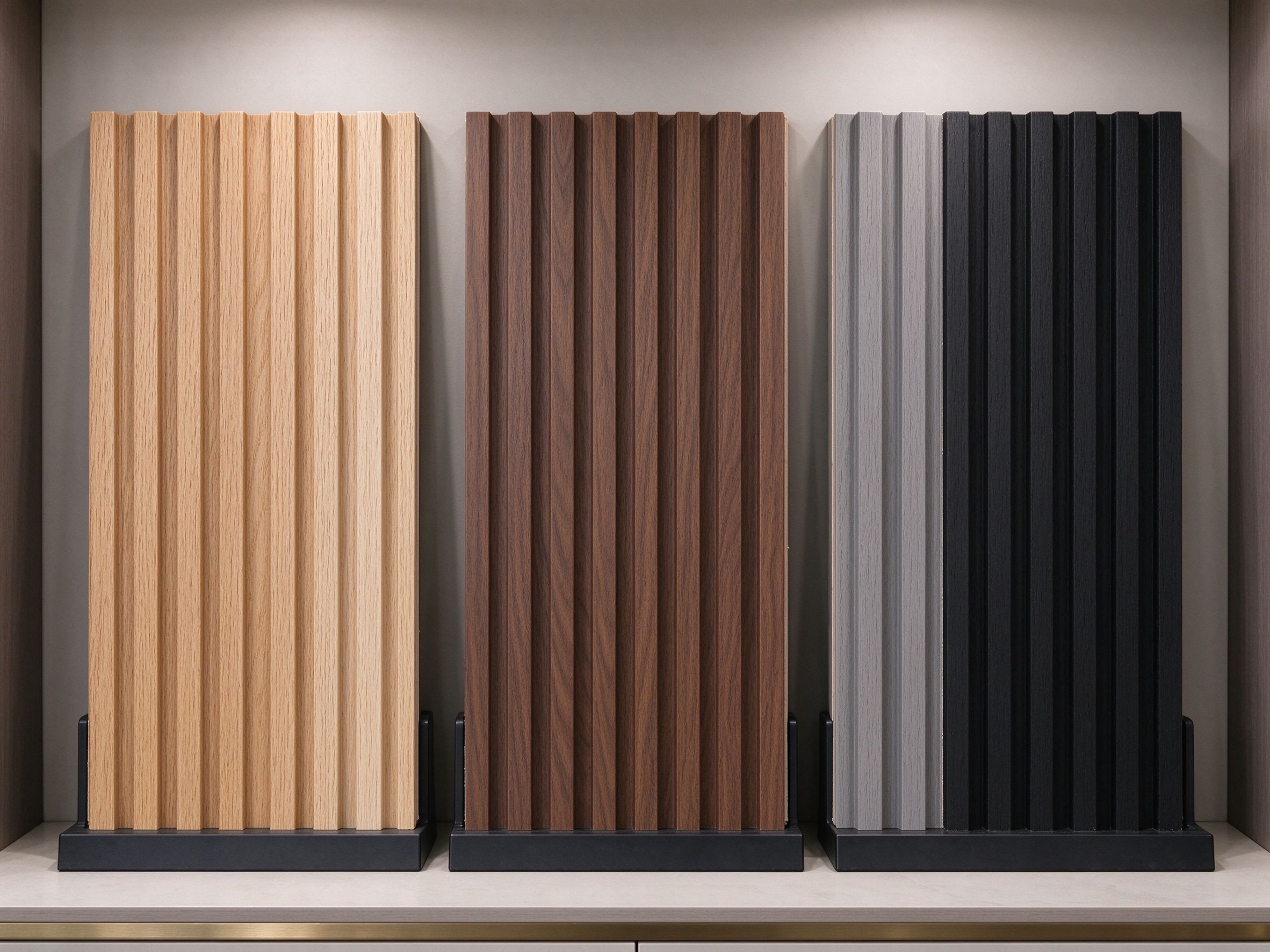
Typical Applications
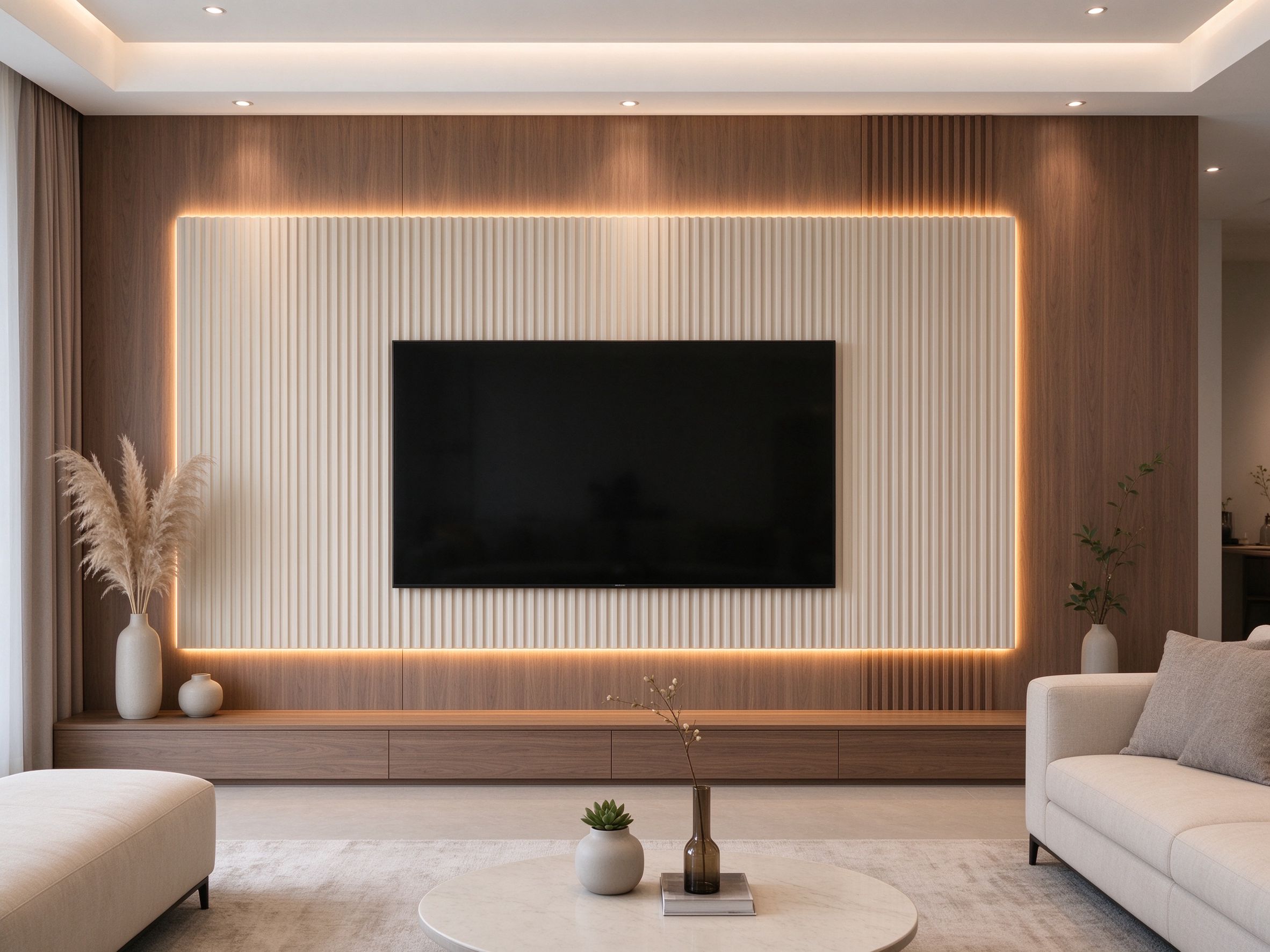
WPC fluted panels are most commonly used as TV feature walls, reception backgrounds, restaurant accent walls, bedroom headboards and retail display walls. Paired with hidden LED strip lighting, the ribs create a striking light-and-shadow effect that flat-painted walls cannot match.
Installation Tips
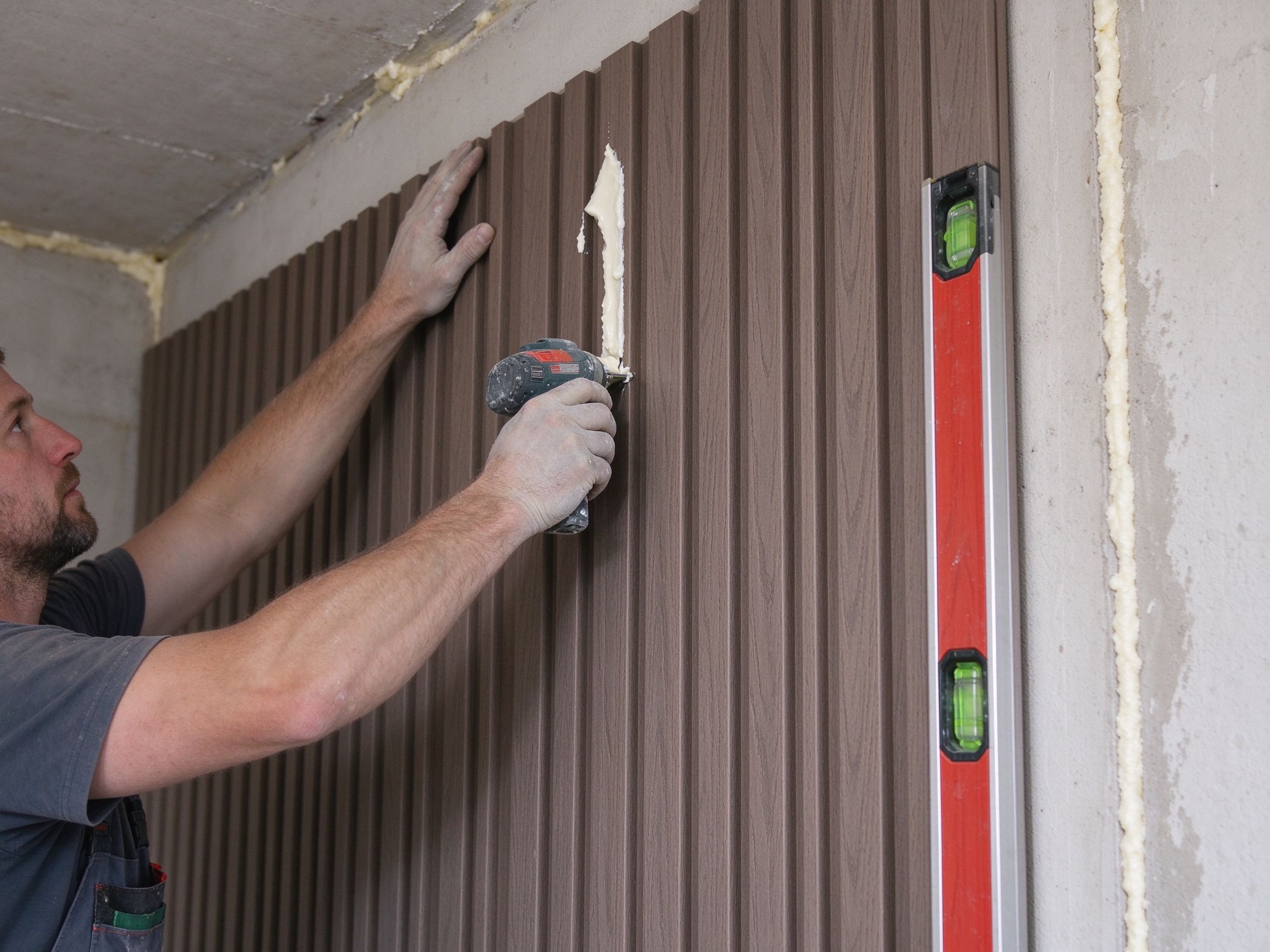
Panels can be glued directly to a flat substrate or fixed with concealed clips over battens. Cut them with a fine-tooth saw or circular saw. Plan your layout so the first and last panels are wider than half a panel — narrow offcuts look awkward at corners. Always acclimate panels in the installation room for 48 hours before fixing.
Choosing a Supplier
Compare panel thickness (15–24mm is typical), slat spacing, surface finish and warranty. Lower-cost panels may have thin vinyl lamination that peels in humid rooms. Request physical samples before ordering a full project — color and texture on a screen never tell the whole story.