
Flexible stone veneer (also called soft stone or MCM — mineral crystal material) has moved from a niche product to a mainstream specification in commercial and residential architecture. As we move through 2026, five market trends are accelerating its adoption worldwide.
Trend 1: Lightweight Facades for High-Rise Retrofit
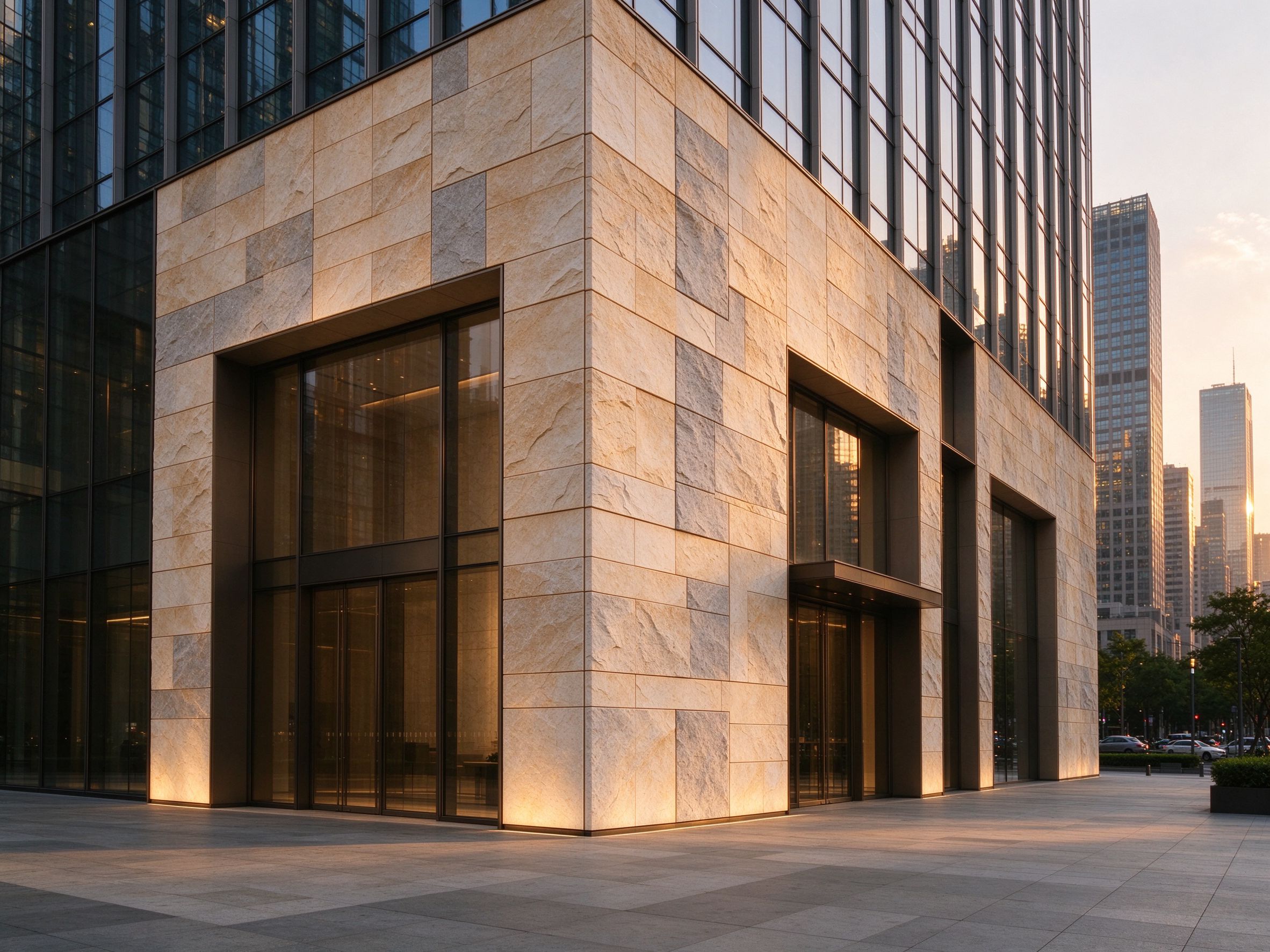
Older commercial buildings worldwide are being retrofitted rather than demolished. Flexible stone veneer weighs only 3–5 kg/m² — up to 90% lighter than natural granite or marble — which means existing structural frames can accept new cladding without reinforcement. This dramatically lowers retrofit costs and makes the product a default choice for facade renovation projects in the Middle East, Southeast Asia, and Europe.
Trend 2: Demand for Curved and Irregular Surfaces
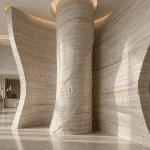
Modern architecture increasingly features curved walls, radius columns, and organic forms. Natural stone cannot bend; flexible stone can wrap around curves as tight as a 30 cm radius without cracking. Architects now specify flexible stone for curved hotel facades, spiral staircases, and feature columns — applications that were previously impossible with natural cladding.
Trend 3: Supply Chain Localization
Major buyers in Saudi Arabia, the UAE, and Australia are no longer sourcing exclusively from a single Chinese factory. Instead, they are developing regional stocking programs and multi-supplier qualification to reduce lead times and mitigate geopolitical shipping risks. This trend favors manufacturers that can offer consistent quality, fast sample turnaround, and English-language technical documentation.
Trend 4: Fire Safety Certification Becomes Non-Negotiable
Following updated building codes in the GCC and EU markets, facade materials must now meet Class B or A2 fire ratings. Leading flexible stone producers have responded with mineral-based backing and fire-retardant coatings that achieve B-s1,d0 and A2-s1,d0 certification. Buyers who cannot provide test reports are being excluded from major commercial tenders.
Trend 5: Digital Selection and Sample-to-Digital Matching
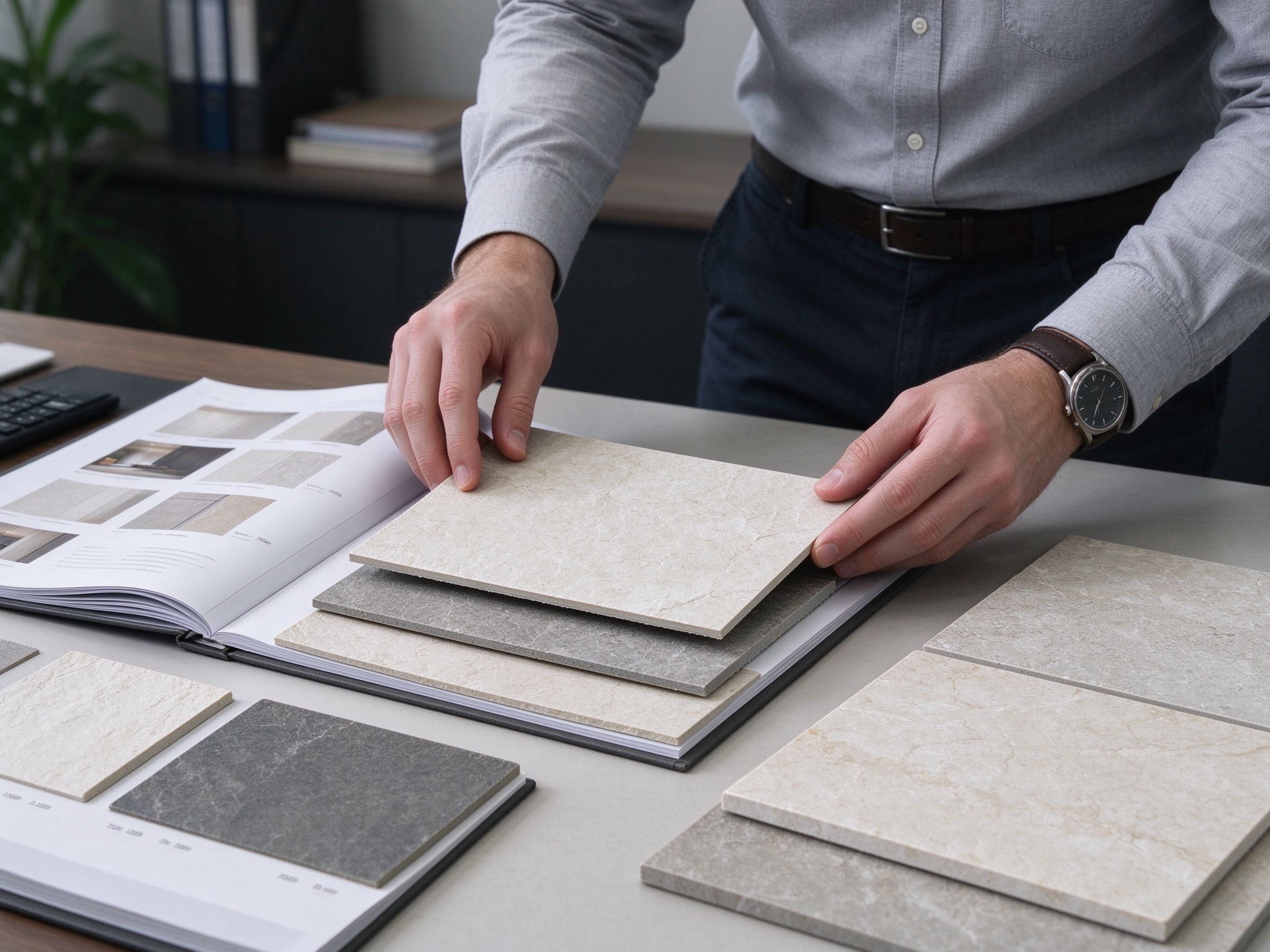
Specifiers increasingly choose materials through digital showrooms and 3D renderings before ordering physical samples. Suppliers that provide high-resolution texture maps, AR material previews, and fast sample shipping are winning more project specifications. The old model of sending a heavy sample box weeks in advance is being replaced by instant digital visualization plus a lightweight physical courier sample.
What This Means for Importers
For building material distributors and contractors, flexible stone is no longer an experimental product — it is a certified, cost-competitive facade and interior cladding option. The most successful importers in 2026 are those who invest in technical documentation, fire-certified product lines, and responsive sample service rather than competing on price alone.