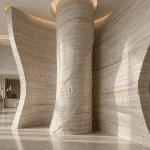

SPC and WPC are two of the most popular rigid wall panel materials in modern construction. Both are durable, low-maintenance, and cost-effective, but they serve very different project needs. This comparison breaks down the key differences so you can specify the right material.
What Are SPC and WPC Panels?
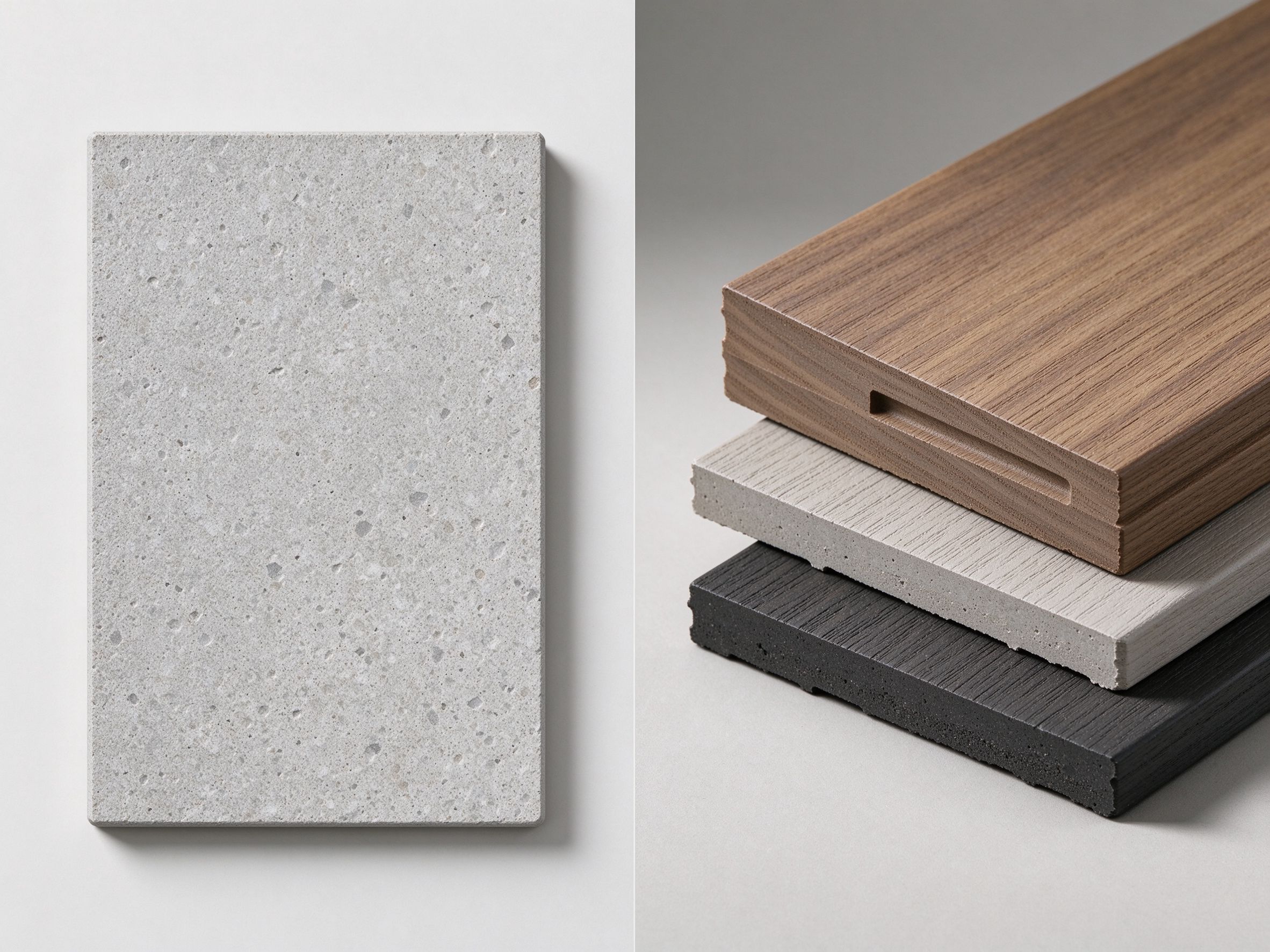
SPC (Stone Plastic Composite) panels are made from natural calcium carbonate powder, PVC, and stabilizers, compressed into a dense, waterproof sheet. They are known for extreme rigidity and dimensional stability.
WPC (Wood Plastic Composite) panels blend wood fiber, PVC, and foaming agents, producing a lighter, warmer-feeling board with wood-like texture and better acoustic performance.
Side-by-Side Comparison
| Factor | SPC Panels | WPC Panels |
|---|---|---|
| Water resistance | Excellent — fully waterproof | Good — moisture resistant but not submersible |
| Density | High (1900–2000 kg/m³) | Medium (800–1200 kg/m³) |
| Acoustic performance | Moderate | Better — wood fiber absorbs sound |
| Weight | Heavier | Lighter, easier to handle |
| Typical price | Mid-range | Budget to mid-range |
| Best for | Bathrooms, kitchens, wet areas, high-humidity zones | Living rooms, offices, feature walls, acoustic zones |
When to Choose SPC
Specify SPC panels for spaces exposed to moisture — bathrooms, kitchens, hotel pool areas, basements, and retail stores where wet mopping is routine. SPC will not warp, swell, or delaminate, even under constant humidity.
When to Choose WPC
Choose WPC fluted panels for dry interior feature walls — hotel lobbies, conference rooms, bedrooms, and TV walls where a warm, wood-like texture and acoustic absorption matter more than water exposure.
The Hybrid Approach
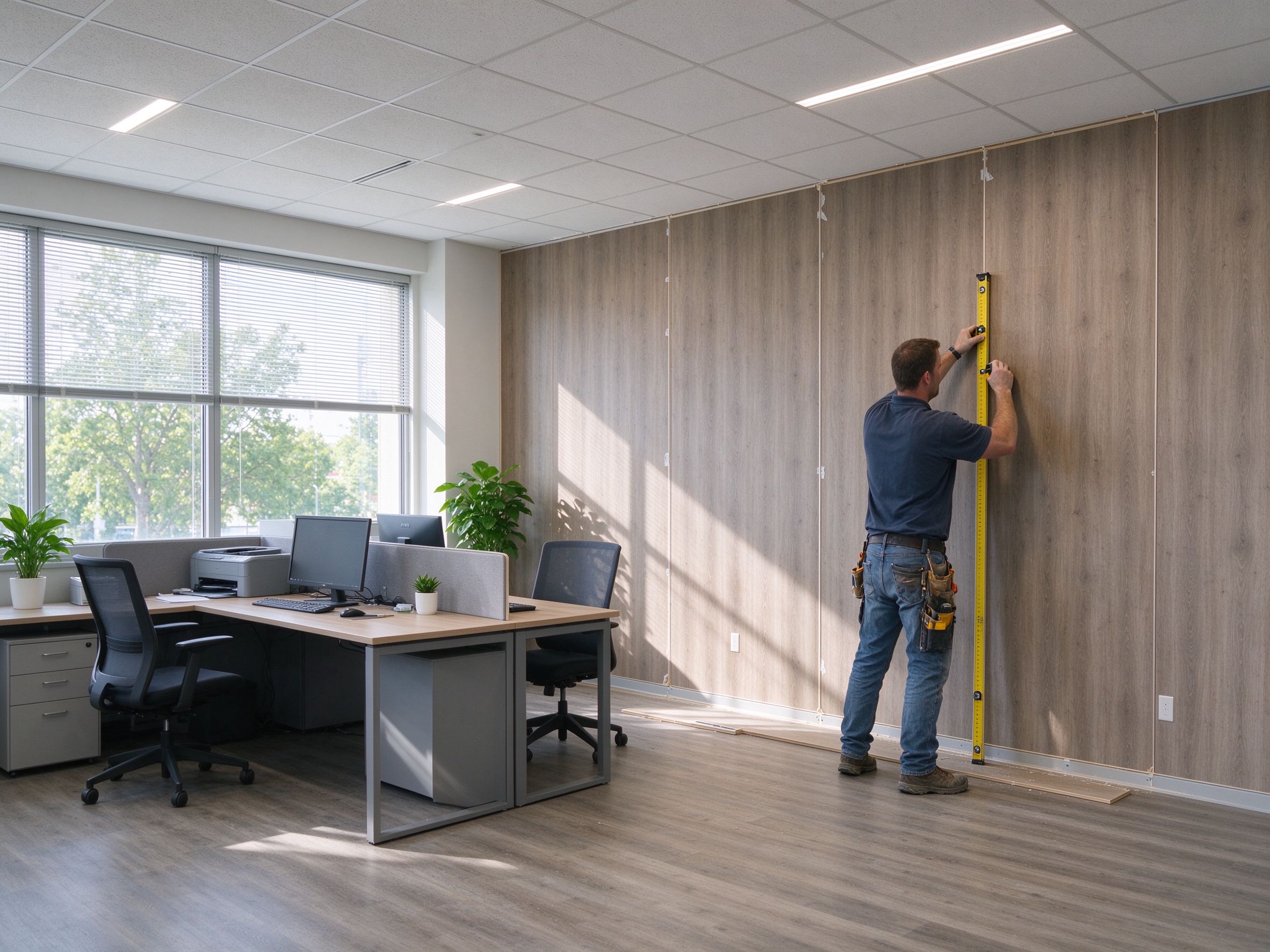
Many experienced contractors specify both: SPC in wet zones and WPC in dry living areas. This balances performance, cost, and aesthetic goals. Always request samples from your supplier to compare texture, color consistency, and edge quality before bulk ordering.