
Installing Flexible Stone Veneer on Exterior Facades: Weatherproofing Guide
Flexible stone veneer is not just for interiors. When installed correctly, it performs reliably on exterior walls, feature facades and column cladding — at a fraction of the weight and cost of natural stone. But exterior installation requires specific weatherproofing steps that interior projects do not. Here is what contractors need to know.
1. Substrate Preparation
The substrate must be flat, clean, dry and structurally sound. Painted surfaces should be sanded and primed. For exterior concrete or cement board, apply a breathable waterproof primer before installation. Gypsum drywall is not suitable for exterior use — always use cement backer board or exterior-rated plywood.
2. Adhesive Selection
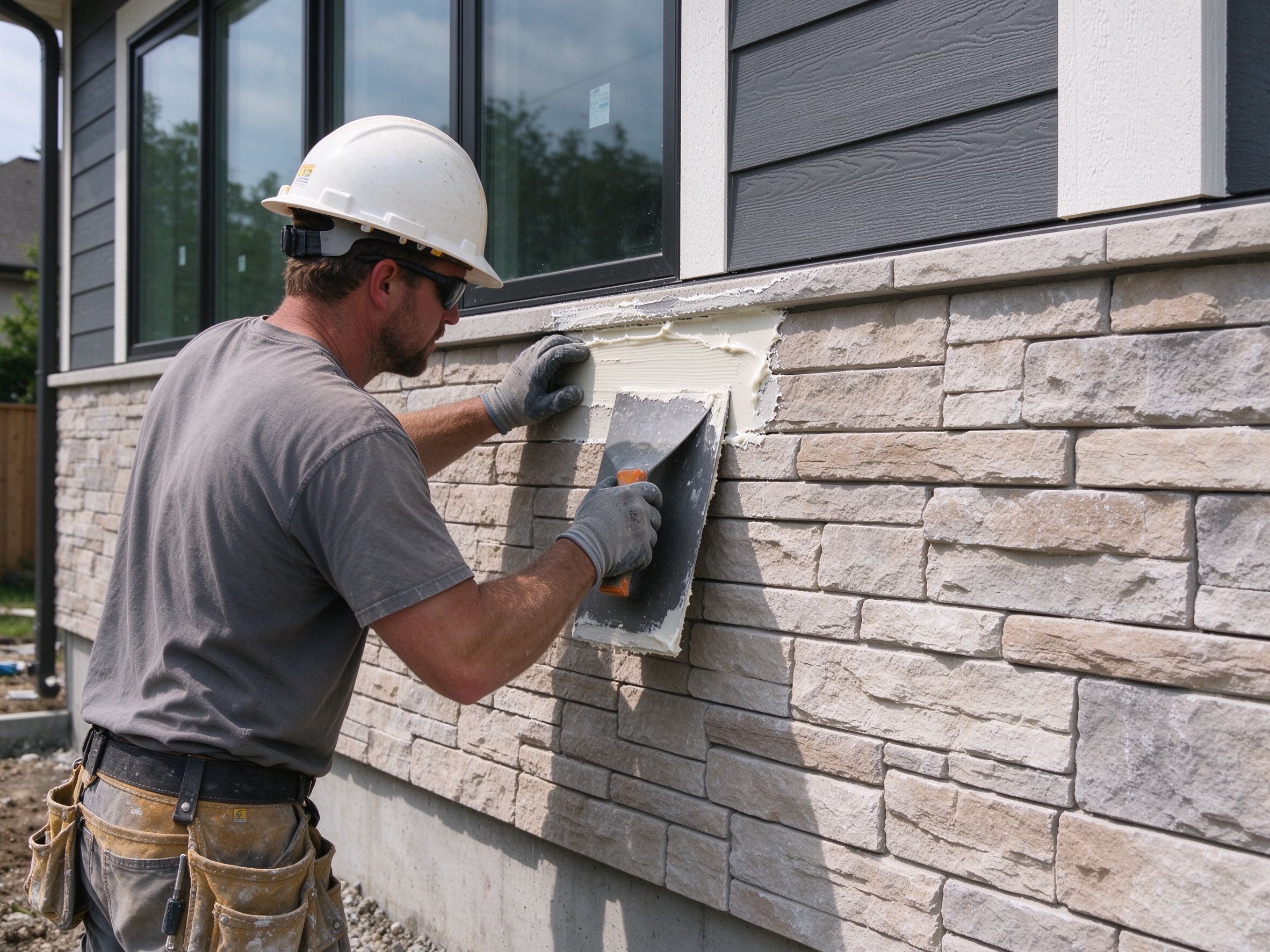
Use a polymer-modified tile adhesive or exterior-grade construction adhesive rated for freeze-thaw cycles. Do not use ordinary white interior glue — it will fail in temperature swings. Apply adhesive with a 6mm notched trowel and press each sheet firmly, working from the bottom up. Leave 2–3mm expansion joints at panel edges.
3. Corner and Joint Details
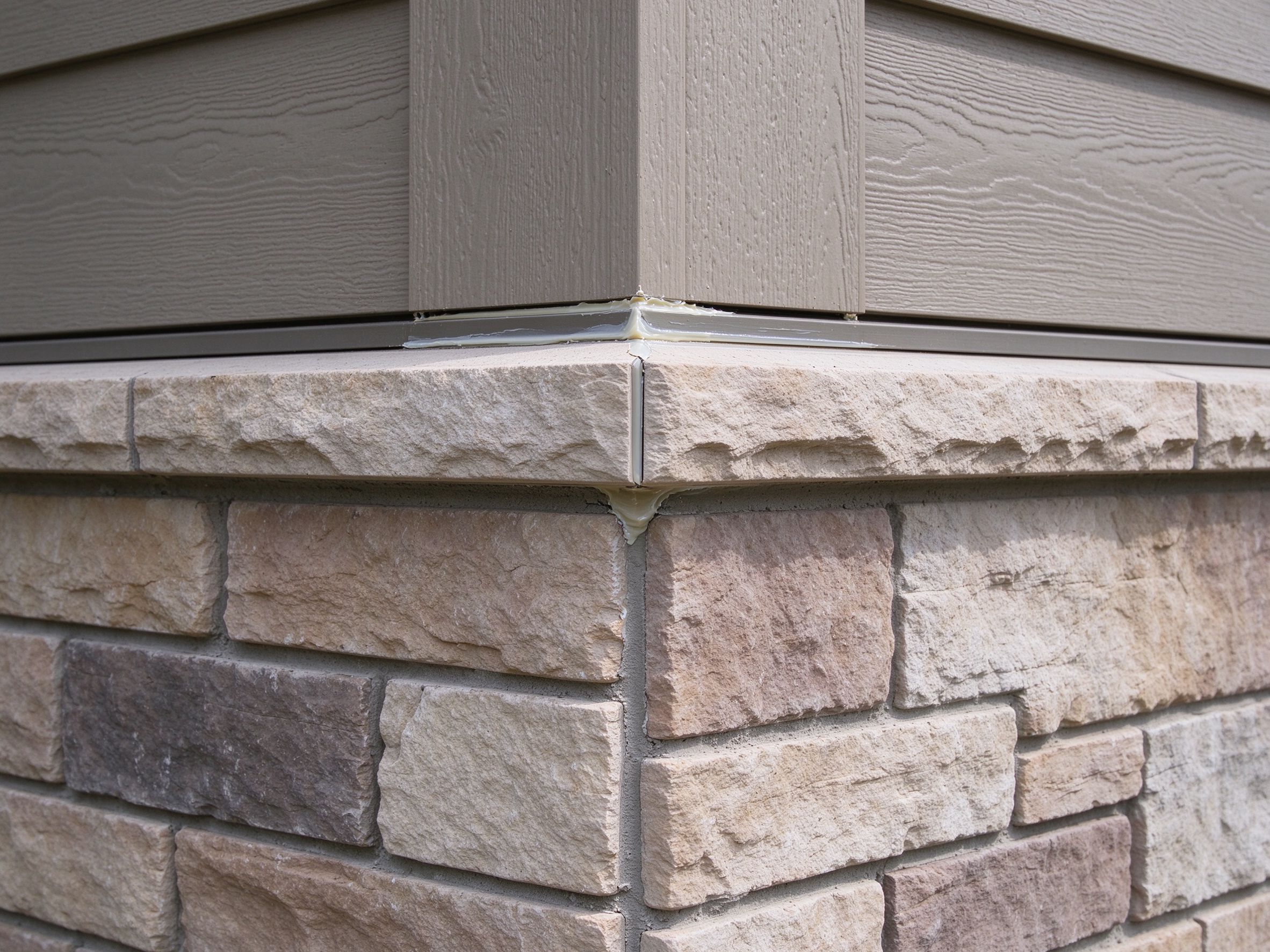
Because flexible stone bends, outside corners can be wrapped continuously — no need for separate corner trims. For inside corners, cut the sheet with a utility knife and overlap slightly. After installation, seal all joints and edges with a breathable silicone or polyurethane sealant matching the stone color. This prevents water intrusion behind the veneer, which is the #1 cause of exterior failures.
4. Freeze-Thaw and Climate Considerations
In climates with freezing winters, ensure the wall behind the veneer has proper drainage. Flexible stone itself is freeze-thaw stable, but trapped moisture will expand and cause delamination. In coastal areas, use a mildew-resistant primer and avoid cellulose-based adhesives that can absorb salt spray.
5. Sealing and Maintenance
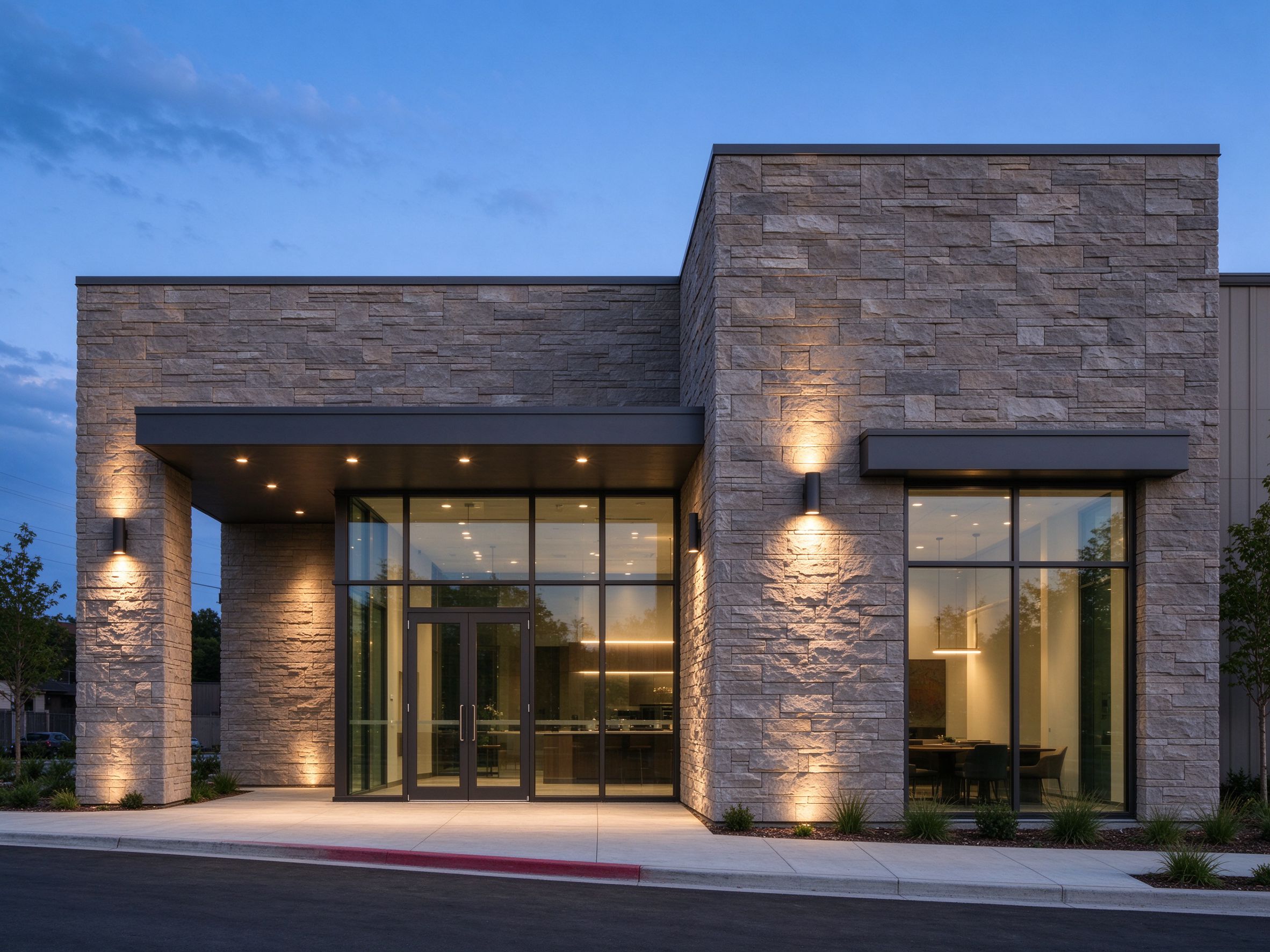
Although flexible stone veneer is pre-finished, applying a penetrating stone sealer every 2–3 years will keep the surface looking fresh and prevent staining from pollution or water runoff. Clean the facade annually with low-pressure water and a mild detergent — never use abrasive brushes or acid cleaners.
Bottom Line
Exterior flexible stone veneer is a reliable, lightweight cladding option when the substrate is properly prepared, the right adhesive is used, and joints are sealed. Always test a small area first and follow the material manufacturer’s technical data sheet for your specific climate.