
Why Sustainable Materials Are Going Mainstream
Global construction is under more pressure than ever to reduce its carbon footprint. With buildings accounting for nearly 40% of global carbon emissions, architects, developers and contractors are increasingly specifying materials that are lighter, recyclable and lower in embodied carbon. In 2026, this shift is no longer a niche preference — it is becoming a procurement requirement.
1. Low Embodied Carbon Materials
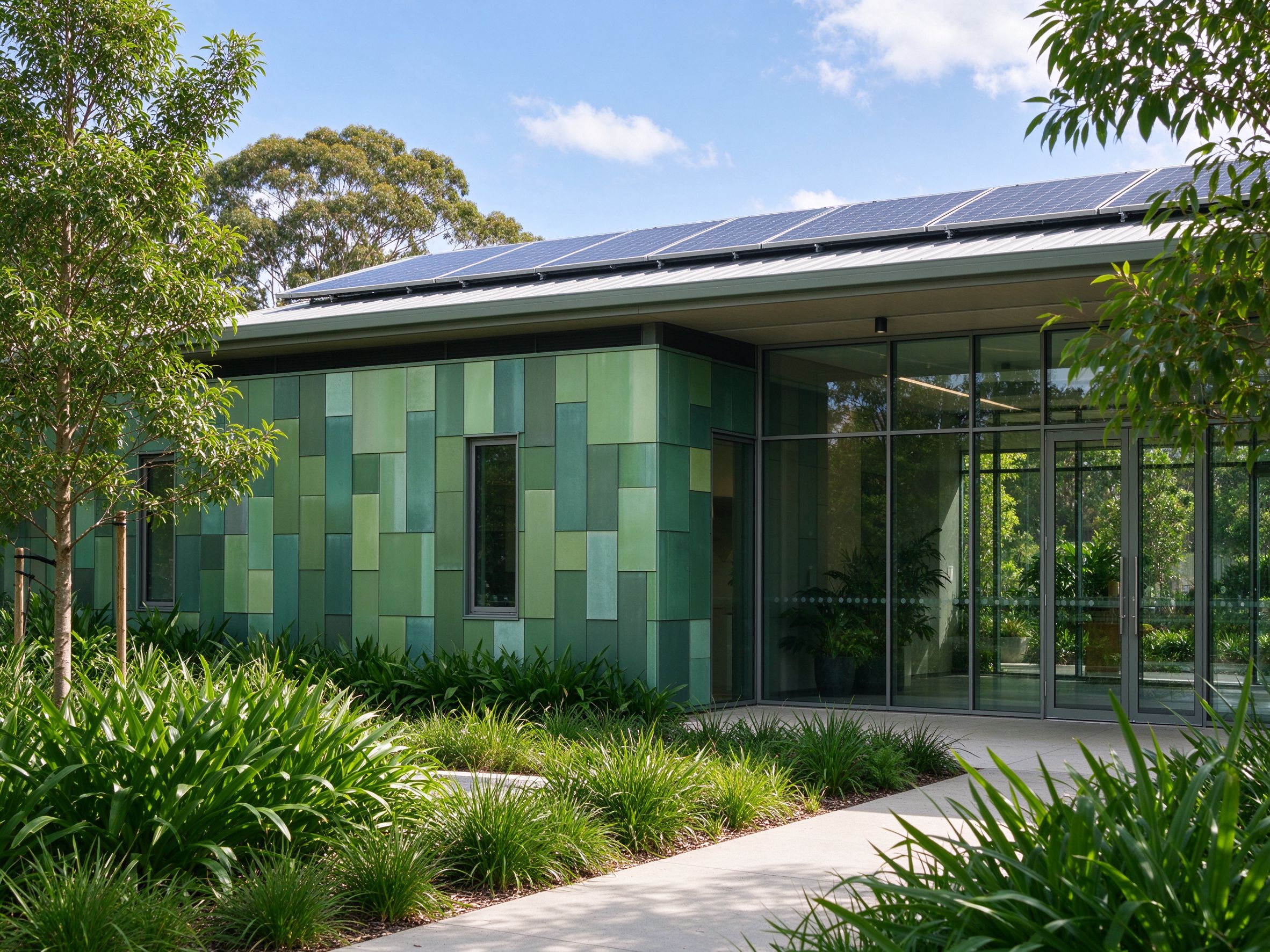
Buyers are now asking for Environmental Product Declarations (EPDs) and life-cycle analysis alongside price lists. Natural stone has traditionally had high transport and processing emissions; thin flexible stone veneer, on the other hand, uses up to 80% less raw material and ships at a fraction of the weight, dramatically lowering cradle-to-site emissions.
2. Lightweight Panels Reduce Structural Loads
Aluminum honeycomb panels, SPC stone panels and flexible stone veneer are all engineered to deliver the look of stone at a fraction of the weight. This means smaller steel structures, lower shipping costs and easier retrofit work on existing buildings where floor loading is limited.
3. Circular Economy and Recyclability
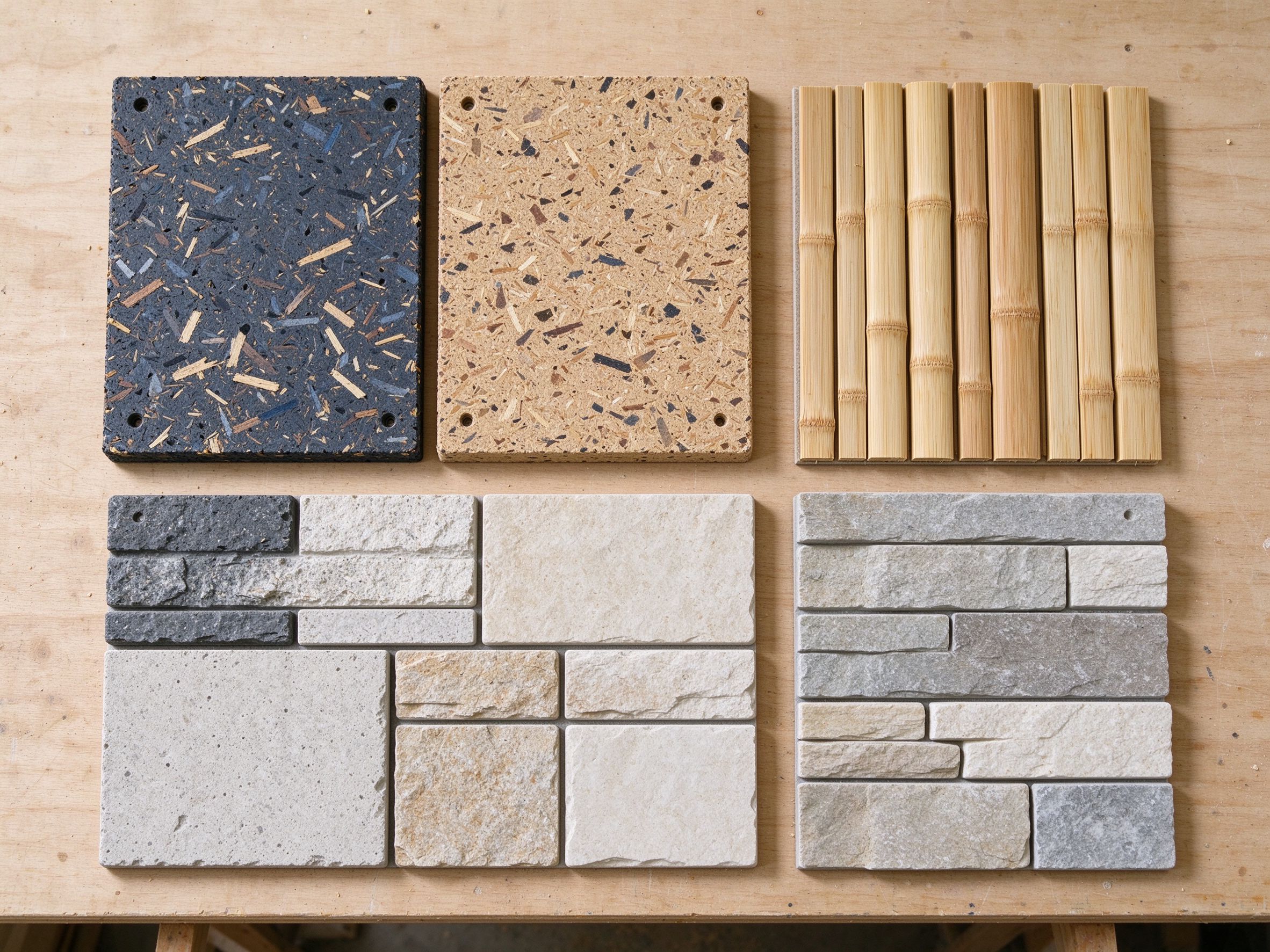
WPC (wood-plastic composite) wall panels and PVC marble sheets are increasingly being manufactured from recycled content, and at end of life can be reground and reused. Projects pursuing BREEAM, LEED or Green Star ratings now actively credit these attributes.
4. Energy Performance by Design
Wall panels with integrated thermal breaks, cool-roof reflective surfaces and good air-tightness directly reduce HVAC loads. Insulated aluminum honeycomb panels, in particular, are finding new demand in cold-climate commercial facades where energy codes are tightening.
What This Means for Buyers
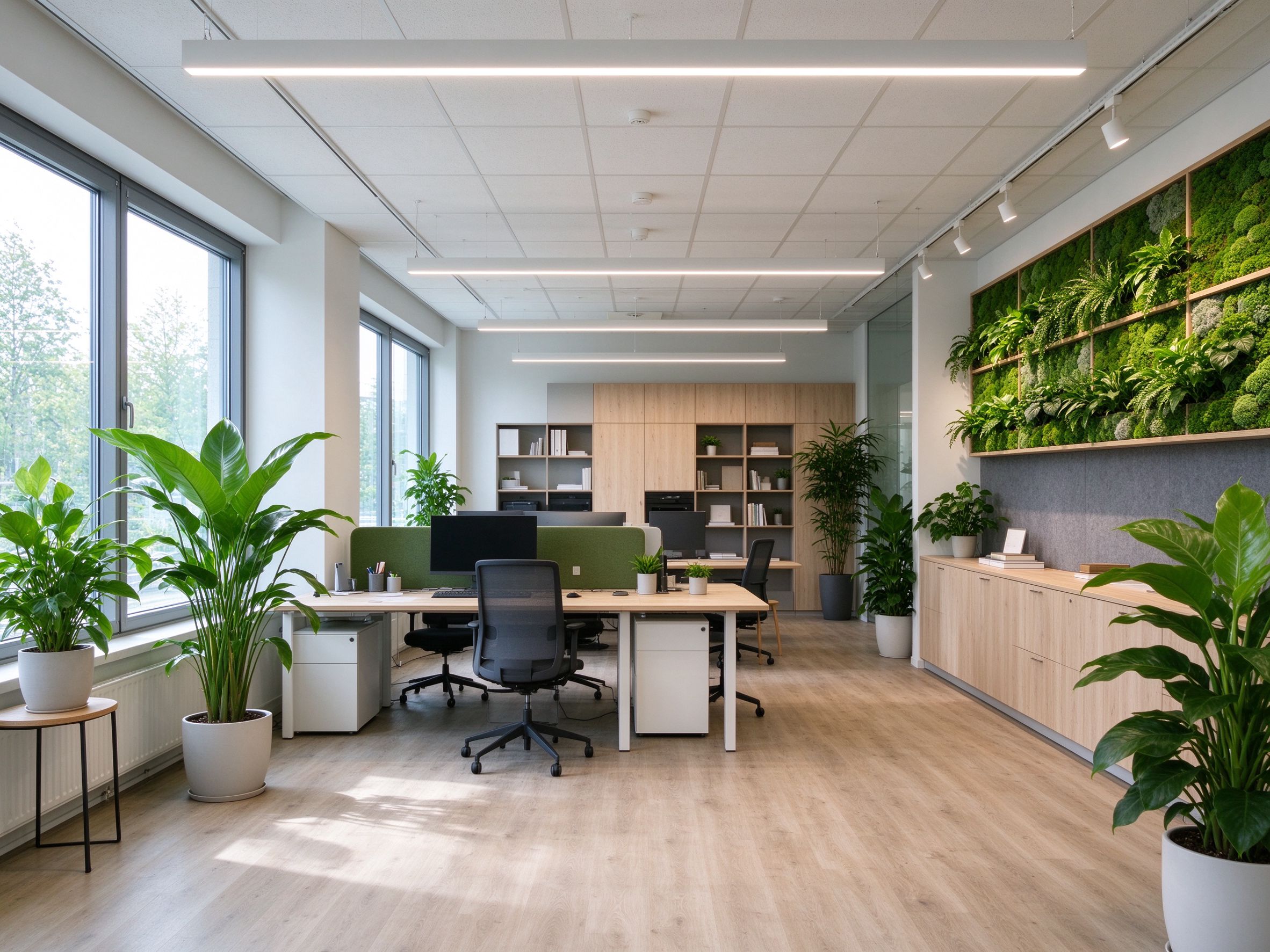
When sourcing building materials in 2026, ask your supplier for EPDs, recycled-content data and weight-per-square-meter figures. Materials that look premium but ship light — like flexible stone, aluminum honeycomb and WPC panels — are the ones most likely to hold their value across the next decade.