
SPC (Stone Plastic Composite) wall panels have become a go-to material for residential and commercial interiors because they combine waterproof performance with realistic wood or stone looks. This guide covers what SPC panels are made of, standard specifications, and how to choose the right grade for your project.
What Are SPC Wall Panels?
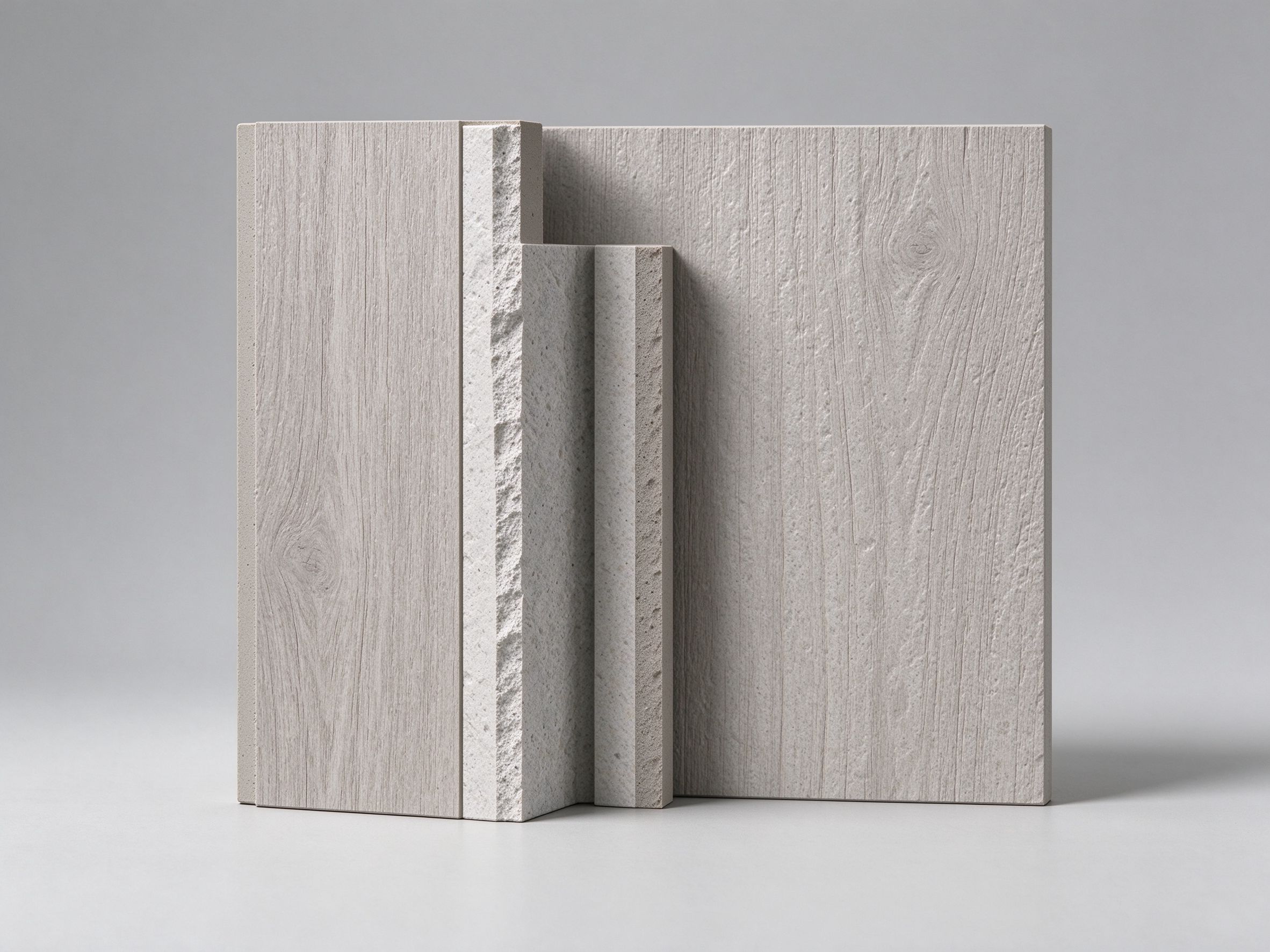
SPC wall panels are rigid sheets made from natural calcium carbonate (stone powder), PVC resin, and stabilizers, calendered under high pressure. Unlike WPC panels, SPC contains little or no wood fiber, which makes it completely water-resistant. The surface is laminated with a decorative film and a transparent wear layer, producing finishes that mimic wood, stone, or solid colors.
Standard Specifications
| Parameter | Typical Value |
|---|---|
| Width | 1220 mm (4 ft) |
| Length | 2440–3050 mm |
| Thickness | 3 mm, 4 mm, 5 mm |
| Weight | ~3.5 kg/m² at 4 mm |
| Water absorption | < 0.5% |
| Fire rating | B1 / Class B-s1,d0 |
Where SPC Panels Perform Best
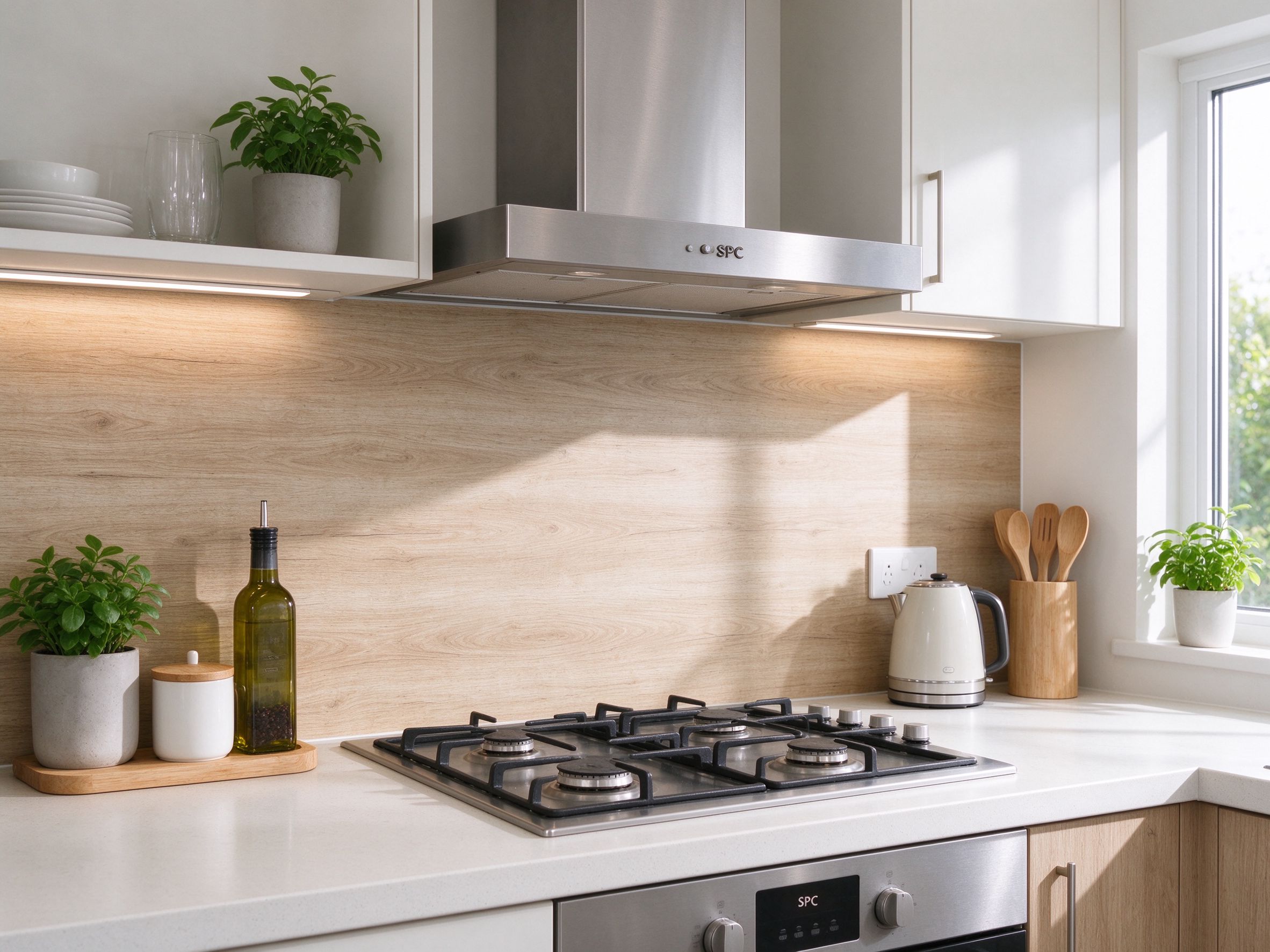
Because SPC is 100% waterproof, it is the preferred choice for bathrooms, kitchens, laundry rooms, hotel shower areas, and commercial corridors where moisture and frequent cleaning are expected. It also works well in basements and coastal projects where humidity can warp wood-based panels.
Choosing the Right Grade
For residential walls, 3 mm panels are usually sufficient. For commercial high-traffic areas, specify 4–5 mm with a 0.3 mm wear layer. Always request abrasion test reports (Taber test) and check that the decorative film is UV-stabilized if panels will be installed near windows. Cheaper grades yellow and scratch easily after 1–2 years of interior use.